




Ageing is inevitable, but how “well” we age is influenced by a combination of genetics, lifestyle and environment. In addition to nutrition, restorative sleep, stress management and social connection, there is a powerful lifestyle factor – physical activity. Regular exercise does more than improve fitness: it can help preserve bone density and muscle mass, support metabolic health (how well your body turns food into energy), protect the cardiovascular system, and maintain physical independence, all of which become increasingly important as we age.
Health Span: Adding Valuable Years to Our Lives
The goal of longevity-focused exercise is not necessarily just to train with the purpose of getting exceptionally fit. Instead, it is about maintaining the body’s capacity to function well for as many years as possible.
Longevity is often measured simply by “lifespan”, which counts the total years lived from birth to death. However, we often forget about the incredibly important “healthspan”. This is the number of years we remain healthy, active and independent. The aim is not just to extend lifespan, but to reduce the amount of time spent living with disability, frailty or long-term disease.
Exercise can play an important role in extending health span and narrowing the lifespan–healthspan gap by helping to preserve the physical capabilities we need to participate in the day-to-day activities that matter to us. Maintaining muscle strength, cardiovascular fitness, balance and mobility can help us remain independent as we age and reduce risk of falls. Exercise is therefore not simply about living as long as possible, but about ensuring that more of those years are active and fulfilling.
Understanding the difference between lifespan and healthspan is the first step towards ageing well. While we cannot control every aspect of the ageing process, regular physical activity can help us maintain our strength, fitness and independence for longer. In part 2, I explore how exercise influences our metabolism and cardiovascular health, and why these play such an important role in supporting longevity.
For more information, you can read the full article on the British Chiropractic Association’s Knowledge Hub, where the original article was published.
Get in touch with Spinavita Chiropractic


Call
Explore more
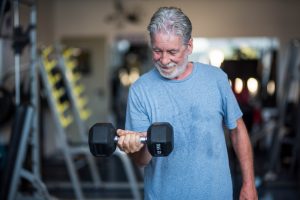 ArticlesMore about Exercise and Longevity: How to Slow the Effects of Ageing – Part 3 (Why is Bone and Muscle Mass Important for an Independent and Active Life?)
Exercise and Longevity: How to Slow the Effects of Ageing – Part 3 (Why is Bone and Muscle Mass Important for an Independent and Active Life?)
By Jennifer Barr
 ArticlesMore about Exercise and Longevity: How to Slow the Effects of Ageing – Part 2 (Can we Influence our Metabolism and Heart Health?)
Exercise and Longevity: How to Slow the Effects of Ageing – Part 2 (Can we Influence our Metabolism and Heart Health?)
By Jennifer Barr
 ArticlesMore about Growing Pains: What’s Normal and When Should You Be Concerned?
Growing Pains: What’s Normal and When Should You Be Concerned?
By Anna Hawrot
 ArticlesMore about End of exams? Time to check in with your spine
End of exams? Time to check in with your spine
By Anna Hawrot
Sign-up for updates
Join our community! Sign up for exclusive updates, wellness tips, and special offers delivered straight to your inbox.