



In part 1 and part 2, I explored how exercise can support a longer, healthier life by helping metabolic health and cardiovascular fitness. But longevity is also about having the physical strength and confidence to keep doing the things we enjoy. In this final instalment of my three part series, I look at why maintaining muscle and bone mass, balance and mobility is so important for preserving independence and quality of life as we age.
Strength Loss: Why Muscle and Bone Mass Matters for Longevity
One of the most significant physical changes associated with aging is osteosarcopenia. This describes the presence of low bone mass (osteopenia and osteoporosis) and low muscle mass and strength (sarcopenia). The presence of these conditions increases the risk of frailty, falls and fractures which in turn has an impact on functional decline, independence and mortality.
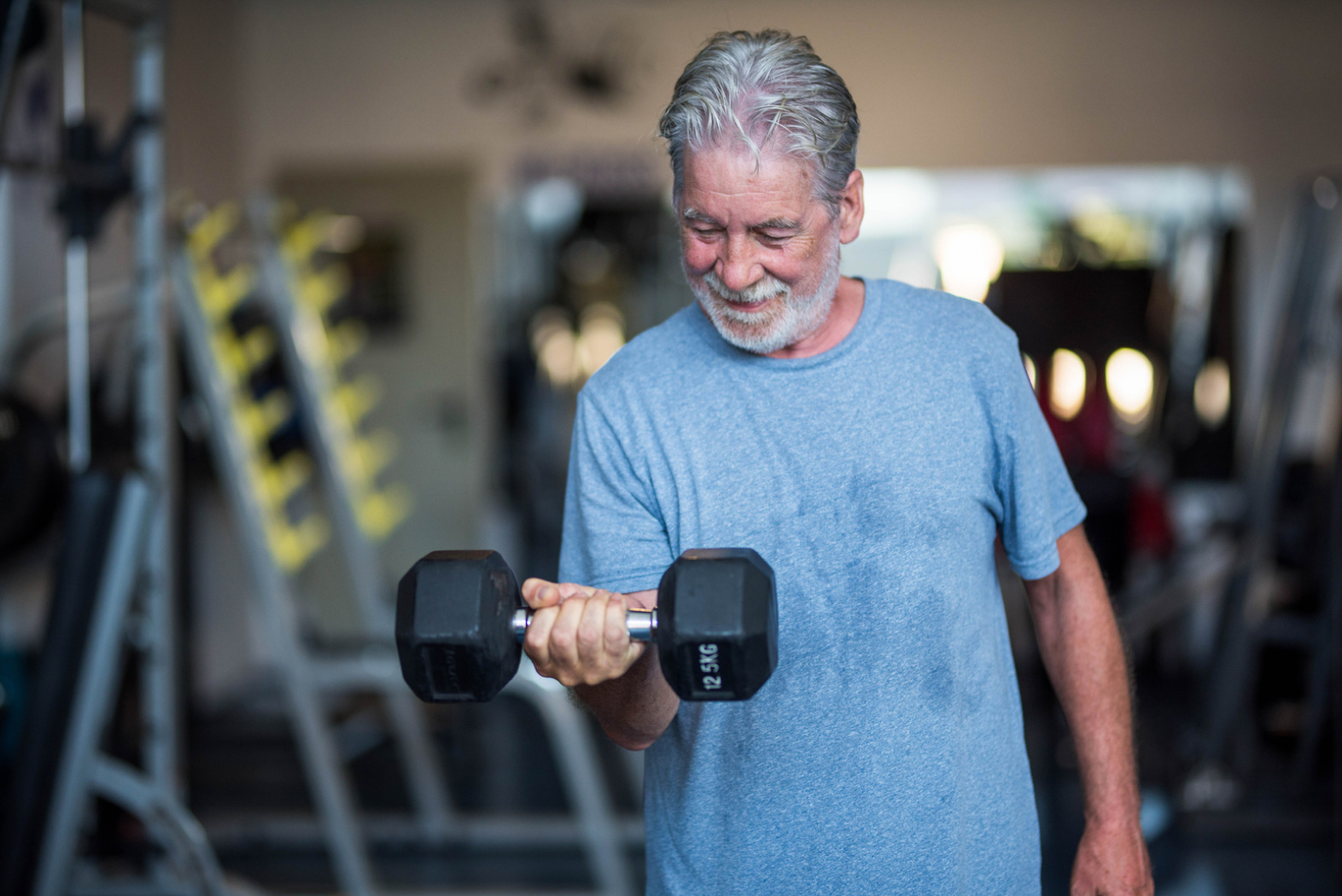
Muscle mass is not solely for aesthetics. Muscle strength is closely connected to everyday functions such as the ability to get out of a chair, carry shopping, climb stairs and get up from the floor. Resistance training is therefore one of the most valuable forms of exercise for healthy aging. Training with weights, resistance bands or bodyweight exercises can provide the stimulus needed to preserve and build muscle. Importantly, this type of training also stresses our bones in a positive way, which leads to stimulation of bone-forming cells and subsequently builds stronger bone density. You can read more about bone health here, including why building balanced, sustainable habits is important for our bodies both now and in the future.
Moreover, strength provides a greater reserve of physical capacity, which becomes even more important during times of deconditioning. If you have more strength than is required for most everyday tasks, you are likely to be better equipped to cope during times of illness, injury or period of inactivity.
Balance, Mobility and Strength: The Key to Long-Term Physical Independence
Longevity is not just about living longer; it is also about maintaining independence and quality of life. Balance, mobility and coordination become increasingly important as we age. Flexibility refers to the passive ability of how far your tissues lengthen when relaxed or pulled (like when someone lifts your leg up into the air for you). Mobility involves strength, control and coordination through a full range of motion (like lifting your leg high into the air by yourself, rather than pulling the leg up with your hands).
Dynamic movements rather than a passive hold, in addition to strength training can help challenge range of motion and balance. Simple activities such as regular walking, mobility exercises and controlled single-leg movements can help develop these qualities.
Conclusion: Exercise as an Investment
There is no single “perfect” exercise that prevents aging. Instead, longevity-focused training is a combination of different forms of movement.
- Resistance training helps preserve muscle and bone strength.
- Aerobic exercise supports cardiovascular and metabolic health.
- Balance and mobility exercises help reduce falls and maintain independence.
Everyday movement helps prevent long periods of sedentary behaviour, reduce musculoskeletal pain and retain independence. Maintaining bodily autonomy and self-reliance enables you to continue with daily tasks independently and moving freely through life, allowing you to participate in both essential and enjoyable activities.
“I joined a gym class which uses resistance bands and dumbbell weights as well as two mainline Zumba and two Zumba Gold (lower intensity and impact version) classes a week. Those classes really keep my knees, hips and back flexible. Plus the fact that I have had dogs since my late 20s, I walk them every day (a life saver during Covid).
After the Gold sessions, a few of us started going out for coffee. This really makes a difference – the chats and having one another’s back when needed. Quite a few of us are on our own. We offer help and information when a plumber, painter and handyman type are needed – someone can suggest a person to help. It’s all about socialising to help your wellbeing.”
– Chiropractic patient at Spinavita Chiropractic, aged 76
The most effective exercise programme is one that can be maintained for years rather than weeks. Research shows that when choosing a form of movement to incorporate into your life, it is important to select something you genuinely enjoy. Lack of enjoyment of exercise is a major barrier to physical activity participation and adherence. In a world where time is often limited, choosing activities that support physical health while also benefiting mental and social wellbeing can make exercise more sustainable. Have fun with movement to benefit the “present day you”, but also invest in the ability to live well for longer.
For more information, you can read the full article on the British Chiropractic Association’s Knowledge Hub, where the original article was published.
Get in touch with Spinavita Chiropractic


Call
Explore more
 ArticlesMore about Exercise and Longevity: How to Slow the Effects of Ageing – Part 2 (Can we Influence our Metabolism and Heart Health?)
Exercise and Longevity: How to Slow the Effects of Ageing – Part 2 (Can we Influence our Metabolism and Heart Health?)
By Jennifer Barr
 ArticlesMore about Exercise and Longevity: How to Slow the Effects of Ageing – Part 1 (Why is Healthspan more important than Lifespan?)
Exercise and Longevity: How to Slow the Effects of Ageing – Part 1 (Why is Healthspan more important than Lifespan?)
By Jennifer Barr
 ArticlesMore about Growing Pains: What’s Normal and When Should You Be Concerned?
Growing Pains: What’s Normal and When Should You Be Concerned?
By Anna Hawrot
 ArticlesMore about End of exams? Time to check in with your spine
End of exams? Time to check in with your spine
By Anna Hawrot
Sign-up for updates
Join our community! Sign up for exclusive updates, wellness tips, and special offers delivered straight to your inbox.