




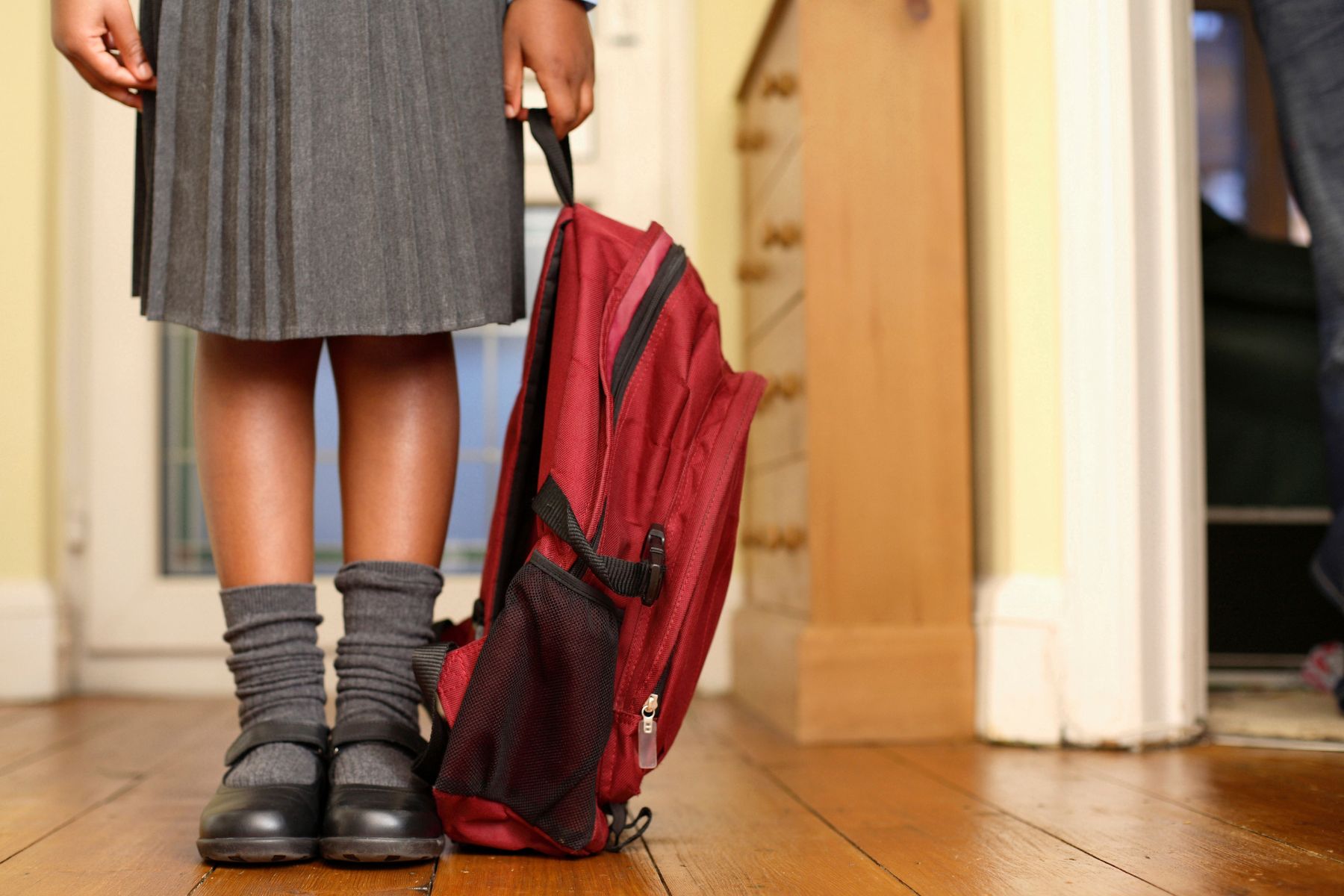
As the new school year creeps closer, most of us are busy getting uniforms sorted, making sure shoes still fit, and trying to remember where we stashed last year’s lunchbox. But getting ready for school isn’t just about ticking things off a shopping list—it’s also a great time to check in on your child’s overall wellbeing.
One simple thing that can make a big difference is staying hydrated. Children often don’t drink enough during the day, especially when they’re busy or distracted. Dehydration can lead to headaches, tiredness, and difficulty concentrating. We’ve created a free printable hydration tracker you can pop on the fridge or slip into their school bag. It’s a simple and fun way to help kids remember to drink regularly and feel the benefits. You could even make it a family challenge: who’s drunk the most water by the end of the day?
One area that’s often overlooked is the school bag, and it’s worth a quick check before term starts. A poorly fitting or overloaded bag can lead to discomfort, poor posture, or aches over time, especially when it’s being carried day in and day out.
- Size and fit matter. A bag should fit your child—not the other way around. It shouldn’t hang lower than the hips or stick out wider than the back. Oversized bags often encourage overpacking, which can throw off balance and cause strain.
- Straps make a big difference, too. Look for wide, padded, adjustable shoulder straps—and if it’s a backpack, encourage your child to use both straps to distribute the weight evenly. Chest or waist straps are a bonus for helping spread the load. If your child prefers a shoulder or crossbody bag, remind them to swap sides regularly and keep the strap short, so the bag stays close to the body rather than bouncing at thigh level.
- Keep it light wherever you can. Some bags look stylish but are surprisingly heavy even when empty—think thick leather or bags with chunky hardware. A good rule of thumb is that the full bag shouldn’t exceed around 10–15% of your child’s body weight. For example, if your child weighs 30 kg, the bag should ideally be no more than 3–4.5 kg in total. A quick check on the bathroom scales is an easy way to check.
- How you pack the bag matters, too. Use compartments to your advantage—heavier items should sit closest to the spine to keep the centre of gravity balanced. Water bottles and lunchboxes are best placed in side pockets or inner sections rather than swinging around at the front.
As part of your back-to-school prep, it’s worth thinking beyond what’s packed in the bag and focusing on the rhythm of the day itself. Re-establishing routines both in the morning and at bedtime can make the first few weeks feel much smoother. You might start nudging bedtime earlier, a week or two before school starts, and practise morning routines like getting dressed, brushing teeth, and eating breakfast at a realistic pace. Starting early helps everyone ease back into the swing of things and avoids the last-minute morning rush.
To support this, we’ve created a blank habit tracker that you can tailor to your child’s needs and routines. Whether it’s remembering to pack their bag the night before, setting aside time for homework, or simply sticking to a consistent bedtime, it’s a flexible tool that families can use in whatever way suits them best.
If your child mentions any aches or pains, such as sore shoulders, back twinges, or stiffness after PE, it’s not something to ignore. Most of the time, it’s nothing serious, but if discomfort is becoming a pattern, it might be worth popping into the clinic for a quick check. Things like posture, how they carry their bag, and even how they sit at school or at home can all play a role. We’re always happy to have a look, even if it’s just for peace of mind.
Supporting your child through the transition back to school isn’t always straightforward, and it looks a little different for every family. If you have any concerns, big or small, we’re here to help.
Wishing all your little ones a happy, healthy start to the year!
Get in touch with Spinavita Chiropractic


Call
Explore more
 ArticlesMore about Growing Pains: What’s Normal and When Should You Be Concerned?
Growing Pains: What’s Normal and When Should You Be Concerned?
By Anna Hawrot
 ArticlesMore about End of exams? Time to check in with your spine
End of exams? Time to check in with your spine
By Anna Hawrot
 ArticlesMore about Ultra-Processed Foods (UPFs)
Ultra-Processed Foods (UPFs)
 ArticlesMore about Exercise through the ages
Exercise through the ages
By Jennifer Barr
Sign-up for updates
Join our community! Sign up for exclusive updates, wellness tips, and special offers delivered straight to your inbox.