



Note From Melissa Folly, Spinavita Chiropractor:
“I met Kiera, Hypopressives teacher, on my Mat leave last summer, a couple of months after the birth of my second daughter. I felt I was able to start some activity again. I’d had her via a C section and was still aware of some tightness and aching around the scar. I felt I had developed some abdominal muscle separation during my second pregnancy, often referred to as diastasis recti, it is fairly common and occurs because your growing uterus pushes the muscles apart, making them longer and weaker. It is usual for them to go back to normal around 8 weeks after birth, but I felt I still had a slight gap just above my belly button.
I did a 6-week course with her and found it so beneficial. I was able to start to feel my deep core muscles activating and less stress on my lower back within a few sessions. I will let Kiera explain the basics of the technique but, the foundation of any good exercises is a strong core and this is what I was missing. I now use the principles of this breathing, posture technique day to day keeping me moving well and feeling strong.” From Mel
If you’ve ever experienced lower back pain, postural imbalances, or pelvic floor issues—whether due to pregnancy, injury, hormonal changes, or the physical demands of daily life —you’ll know how frustrating it can be to feel disconnected from your body. When even simple movements don’t feel quite right, the idea of returning to exercise can feel daunting.
Like many women, I found myself in this position after the birth of my first child. I was always an active person, but postpartum recovery wasn’t as straightforward as I’d hoped.
A Personal Journey: Finding Strength Again
At around three months postpartum, I started noticing a heavy, bulging sensation—something that felt off but wasn’t spoken about much. I later discovered this was a symptom of pelvic organ prolapse. The advice I received was discouraging:
- Avoid running.
- Avoid jumping.
- Avoid lifting heavy things (which, as a mum, was impossible).
I was left with more questions than answers. Would I always feel this way? Would I ever be able to do the activities I loved again? Was surgery my only option? It wasn’t until I discovered Hypopressives that things started to shift.
What Are Hypopressives?
If this is the first time you’ve heard of Hypopressives, you’re not alone. It’s a lesser-known approach to core and pelvic floor training, but one that is widely used in parts of Europe—particularly in rehabilitation and physiotherapy settings.
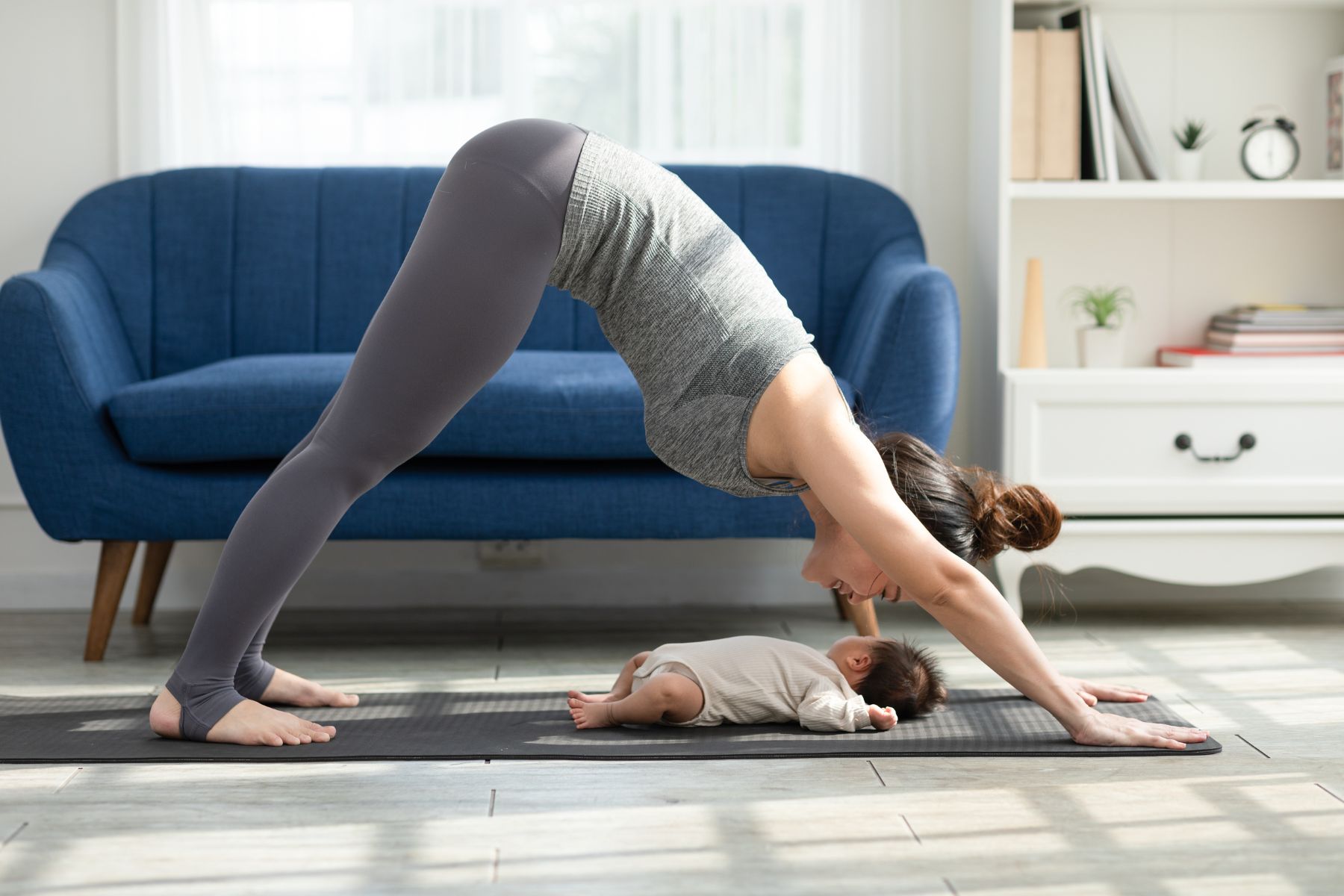
Unlike traditional abdominal exercises (which often increase pressure in the core), Hypopressives focus on reducing intra-abdominal pressure using a combination of breathwork, postural techniques, and specific movements.
The technique involves:
- Lateral breathing—expanding the ribcage rather than pushing pressure down into the abdomen
- Postural alignment—to activate deep core muscles without straining the lower back
- The ‘Hypopressive apnea’ —which creates a natural lift of the pelvic organs and strengthens the core
Why Is This Important for Recovery?
Many people assume that a strong core means strong abs, but true core strength comes from within. It involves deep stabilising muscles that support everything from posture and breathing to spinal health and pelvic floor function.
For people recovering from pregnancy and birth, C-section scars, diastasis recti (abdominal separation), prolapse symptoms, or incontinence, these deeper muscles are often weakened or unresponsive—which is why returning to exercise can feel so challenging.
More Than Just Postpartum Rehab
Although Hypopressives are amazing for postnatal recovery, they can also be beneficial for anyone dealing with:
- Lower back pain & postural imbalances
- Pelvic floor dysfunction (incontinence, prolapse symptoms, etc.)
- Core weakness or instability
- Breathing dysfunction & stress-related tension
Hypopressive exercises are also used by men and women to enhance sport’s performance.
Integrating Hypopressives into rehab plans, can offer a way to help strengthen your core without adding strain to the spine and retrain the pelvic floor to enhance the function without adding tension —making it an excellent complement to chiropractic treatment.
A Long-Term Approach to Strength & Mobility
Hypopressives aren’t just about fixing a problem—they’re about retraining the body to function more efficiently. Many people find that, over time, the techniques become second nature, influencing the way they move, breathe, and stabilise their core in everyday life (so your core and pelvic floor is happily doing it’s ‘thing’ in the background).
For me, this practice was a turning point. It allowed me to fully recover from prolapse symptoms, have a second pregnancy without complications, and return to all the activities I love—without fear or discomfort.
If you’re curious about Hypopressives and how they might fit into your own rehab or fitness journey, I offer workshops, group programmes, and one-to-one coaching.
And if you just want to find out more, I also offer a free 30-minute consultation call — because no one should feel stuck, unsure, or alone in their recovery. This is exactly why I want to shout about this technique from the rooftops! Pelvic floor and core dysfunction may be common, but that doesn’t mean it’s normal or something you just have to put up with. We can heal, we can restore function, and we can return to the activities we love without discomfort or fear. I want everybody to feel empowered with the knowledge that their body is capable of real, lasting change.
Get in touch with Spinavita Chiropractic


Call
Explore more
 ArticlesMore about Growing Pains: What’s Normal and When Should You Be Concerned?
Growing Pains: What’s Normal and When Should You Be Concerned?
By Anna Hawrot
 ArticlesMore about End of exams? Time to check in with your spine
End of exams? Time to check in with your spine
By Anna Hawrot
 ArticlesMore about Ultra-Processed Foods (UPFs)
Ultra-Processed Foods (UPFs)
 ArticlesMore about Exercise through the ages
Exercise through the ages
By Jennifer Barr
Sign-up for updates
Join our community! Sign up for exclusive updates, wellness tips, and special offers delivered straight to your inbox.