




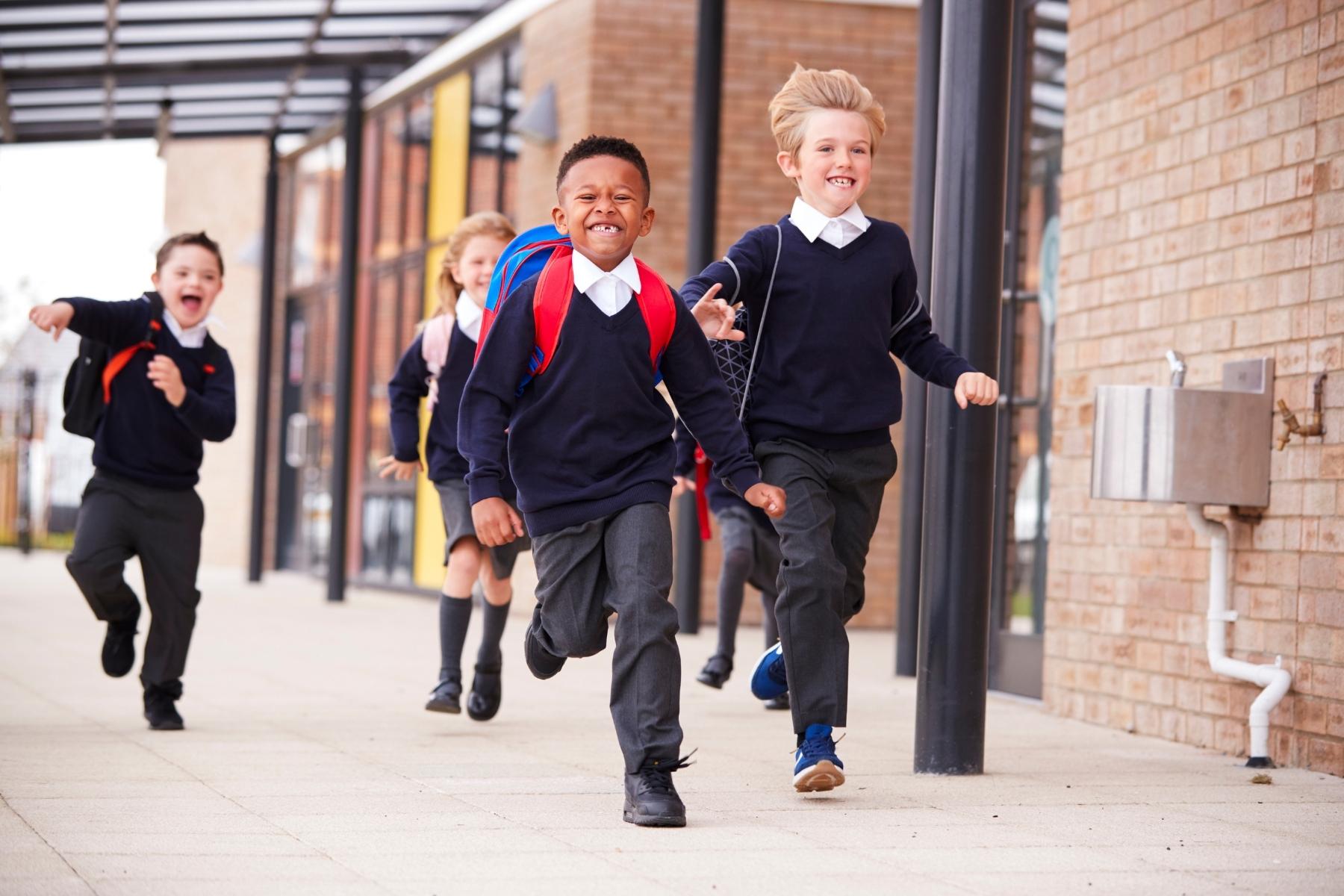
The Importance of Good Posture in Children
Good posture is more than just standing up tall. As a child developing proper posture early in life is crucial. It really helps to build a good foundation for their growth, physical development, and long-term health, confidence, and overall well-being. Building good habits as a child will help prevent musculoskeletal issues into adulthood.
Why Posture Matters for Children
1. Supports Physical Development
Children’s bodies are constantly growing, and their bones, muscles, and joints are highly adaptable. Poor posture during these formative years can lead to imbalances, such as spinal misalignment or muscle strain, which may cause discomfort or long-term issues like back pain.
2. Boosts Confidence and Mental Health
Posture isn’t just physical—it’s psychological too. A child who stands or sits upright often displays confidence and feels more self-assured. Conversely, slouching can sometimes reflect or even contribute to low self-esteem or feelings of insecurity.
3. Improves Focus and Energy
Good posture holds the chest and ribs in their optimum position which in turn optimizes breathing and circulation, which are essential for brain function. When children sit or stand correctly, they’re more likely to stay alert, focused, and energized, whether they’re in the classroom, sat at dinner or playing sports.
4. Prevents Long-Term Health Issues
Poor posture in childhood can lead to chronic pain, reduced mobility, and other health complications in adulthood. By emphasising the importance of posture early, parents can help their children avoid these preventable issues.
Causes of Poor posture in Children
There are two main factors responsible for children developing bad posture; lifestyle-related or due to a specific physical and health conditions.
- Some of the common lifestyle factors include bad habits like slouching on the couch at home, sitting on the chair and bending forward to the table while eating or hunched over screens or computers. Carrying heavy, poorly packed or bad fitting school bags. Poor fitting shoes. Lack of physical activity, being overweight or obese.
- Physical conditions, mainly those affecting the spine, could also affect children’s posture, include scoliosis (abnormal curvature of the spine), Kyphosis (hunchback), Sternum (chest bone) abnormalities, such as pectus carinatum and pectus excavatum, and flat feet. There are many other underlaying genetic conditions that can also lead to postural challenges, these are usually managed by the child’s pediatric team as other factors need to be considered in their care.
Tips To promote good posture
1. Teach Proper Sitting and Standing Habits
- Sitting: Encourage children to sit with their feet flat on the floor, knees at a 90-degree angle, and their back straight against the chair. Choosing a chair that supports good posture is crucial. If any discomfort or pain is felt, it’s a sign to adjust the posture and for smaller children a booster seat helps to make a good posture easier to achieve.
- Standing: Teach them to stand tall with their shoulders relaxed, chin parallel to the ground, and weight evenly distributed on both feet.
2. Limit Screen Time
Set boundaries for screen use and encourage regular breaks. Position screens at eye level to reduce neck strain – where possible encourage watch the TV rather than the smaller devices to prevent slouching over a device.
3. Choose the Right Backpack
Opt for lightweight backpacks with padded straps and ensure they’re worn on both shoulders and pulled tight against their mid back. The weight should not exceed 10-15% of the child’s body weight.
4. Wearing the correct fitting shoes
Make sure your children’s shoes offer support and flexibility and fit well. Children’s feet grow fast and different times of the year they can have rapid growth spurts.
5. Encourage Physical Activity
Activities like yoga, kids are great at this, and it can be made fun as a whole family activity with funky music playing.
Swimming, and dance can strengthen core muscles and improve posture. Even simple exercises like planks or stretches can make a big difference.
6. Be a Role Model
Children often mimic adults. Demonstrate good posture yourself to inspire them to do the same.
Conclusion
Good posture is a gift that keeps on giving. By fostering healthy habits in childhood, parents and caregivers can help children grow into strong, confident, and healthy adults. Remember, small changes today can lead to a lifetime of benefits. So, stand tall, sit straight, and encourage your little ones to do the same!
Unfortunately, in more recent years children’s posture has become a big health concern basically because physical activity among children has declined in recent years, mainly due to a massive rise in use of gadgets for entertainment and educational purposes, especially in the post-pandemic years.
If you have any concerns about your child’s movement or posture – give us a call. We can carry out an initial consultation to assess their posture, movement and strength to help identify issues that may benefit from treatment.
Chiropractors are specially trained to use gentle techniques that are appropriate for children of all ages. Treatments are always tailored to the child’s size, development, and specific health concerns, such as addressing scoliosis or supporting healthy posture in growing children. Chiropractic care for babies and children is non-invasive, drug-free, and designed to support their natural development while addressing any MSK issues that may arise.
Get in touch with Spinavita Chiropractic


Call
Explore more
 Top TipsMore about Acute Pain: What it is and how to manage it
Acute Pain: What it is and how to manage it
By Melissa Folly
 Top TipsMore about Isometric Exercises Post-Injury for Pain Management: A Guide to Healing and Recovery
Isometric Exercises Post-Injury for Pain Management: A Guide to Healing and Recovery
By Jerrika Davis
 Top TipsMore about Nutrition for Wellbeing: A Seasonal Approach
Nutrition for Wellbeing: A Seasonal Approach
 Top TipsMore about Reduce the Risk of Injury This Winter
Reduce the Risk of Injury This Winter
By Melissa Folly
Sign-up for updates
Join our community! Sign up for exclusive updates, wellness tips, and special offers delivered straight to your inbox.